
Overview
AI Earbot —
AI-powered Auditory Spatial Awareness for Robots
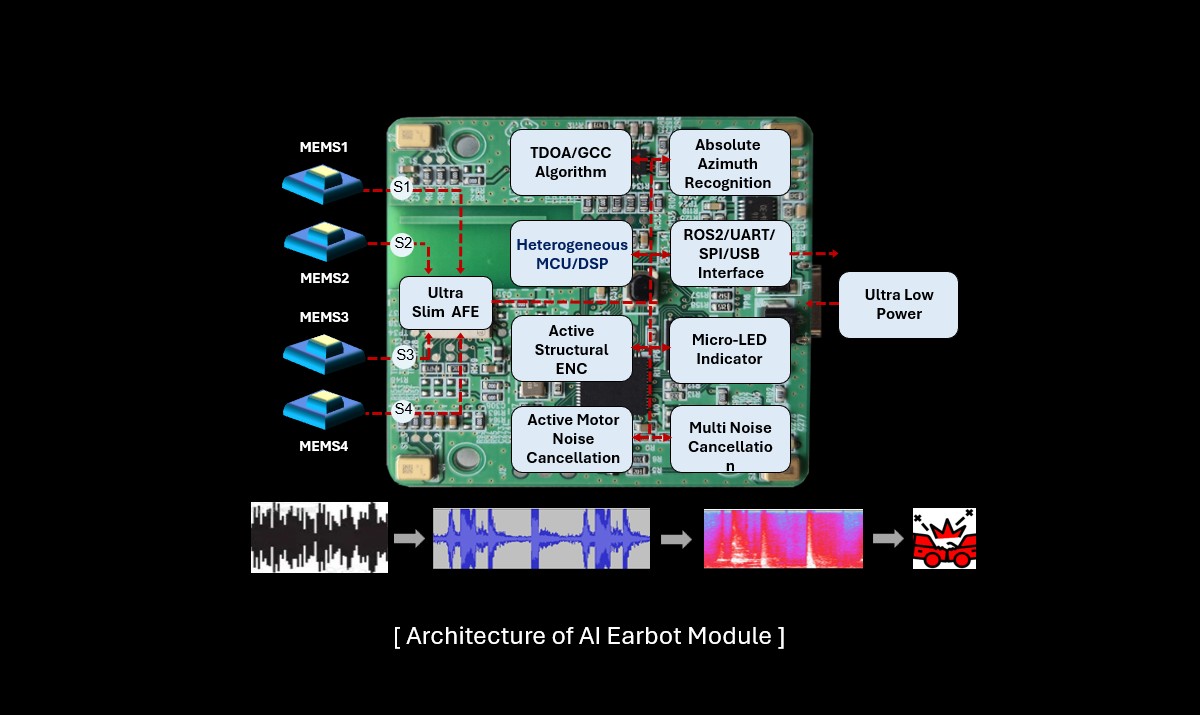
AI Earbot is a compact, plug-and-play embedded auditory perception module that gives mobile robots human-like hearing without requiring expensive processors or cloud connectivity.
Module Size (W×D×H)
1.8″ × 1.8″ × 0.35″
Power consumption
~ 300mW
Processing
On-Device Edge Computing
Function
Acoustic Event Detection/Absolute Azimuth Direction/Source Distance Recognition
Compatibility
Works with All Robots & Vehicle Platforms
Why Hearing
Hearing Reacts Over 10 Times Faster Than Sight
From the moment that an event occurs to a physical response, auditory perception completes its full loop in about 40–70ms — while visual perception takes 200–240ms.
Hearing
~40ms
0–8ms
8–18ms
18–40ms
Sight
~240ms
20–180ms
180–240ms
R&D
QRAS, QAAS, ASRA, ASENC, AAD and SDR — The World's First Sound Absolute Azimuth Detection(AAD) and Source Distance Recognition(SDR) Technologies.
Conventional cross-correlation algorithms can detect direction but not absolute azimuth direction, and distance between a sound source and the sensor. US&K developed an advanced sound recognition algorithm(ASRA) built on Quadrature Right-Angle Sensing (QRAS) and Quadruple Attitude Acoustic Sensing (QAAS) that recognizes both absolute azimuth direction, distance and sound recognition. Maintaining accurate spatial hearing while the robot is in motion. By combining proprietary Active Structural Ego-Noise Cancellation (ASENC) with an ultra-efficient Edge AI architecture.
96~100%
Direction Accuracy
97%
Sound Recognition
±10%
Distance Calculation Error
Patents
15 Registered Patents Protecting Our Core Technology
4 in the U.S., 2 in China, 1 in India, 8 in Korea — Our core patent was filed 2 years ahead of Waymo(Google), and 95 days ahead of Ford.
US&K
2019.01.28
Ford
+95 days
Waymo
+2 years 1 month
(KR) Sound Source Recognition Method & Apparatus
No. 10-2176xxx
(KR) Vehicle Noise-Shielded External Sound Detection Device
No. 10-2432xxx
(US) Sound Source Visualization Device and Method
No. 11927xxx
(US) Method and Apparatus for Recognizing Sound Source
No. 12015xxx
(CN) Sound Source Recognition Method & Apparatus
No. 13366xxx
(IN) Sound Source Visualization Device and Method
No. 571xxx
Applications
Patrol Robots, Social Robots, Delivery Robots, Drones and Vehicles
Radar and lidar-dependent robots can't perceive collisions outside their line of sight. Equipped with AI Earbot, they detect collision risks in real time and sound the alarm — recognizing ambulances, fire trucks, motorcycles, drones and even helicopters by sound.
Patrol Robots
Streets, Campuses, and Facilities are monitored 24/7.
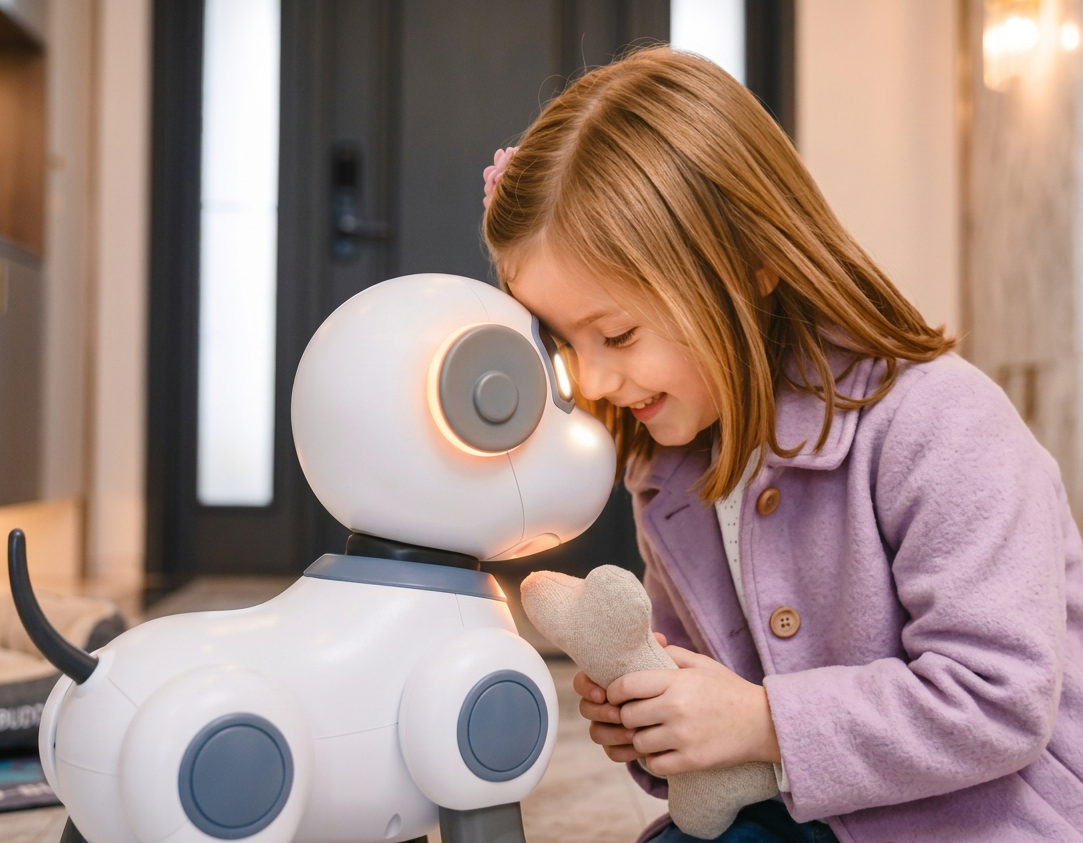
Social Robots
Companion robots that listen and respond in real time.

Delivery Robots
Supports safer navigation for goods and people in motion.
One of Application markets
AI Companion & Toy Robot Market ($399–$2,900)
AI Earbot brings intelligent hearing to this product category and the broader robotics industry, for safer and more delightful everyday use.
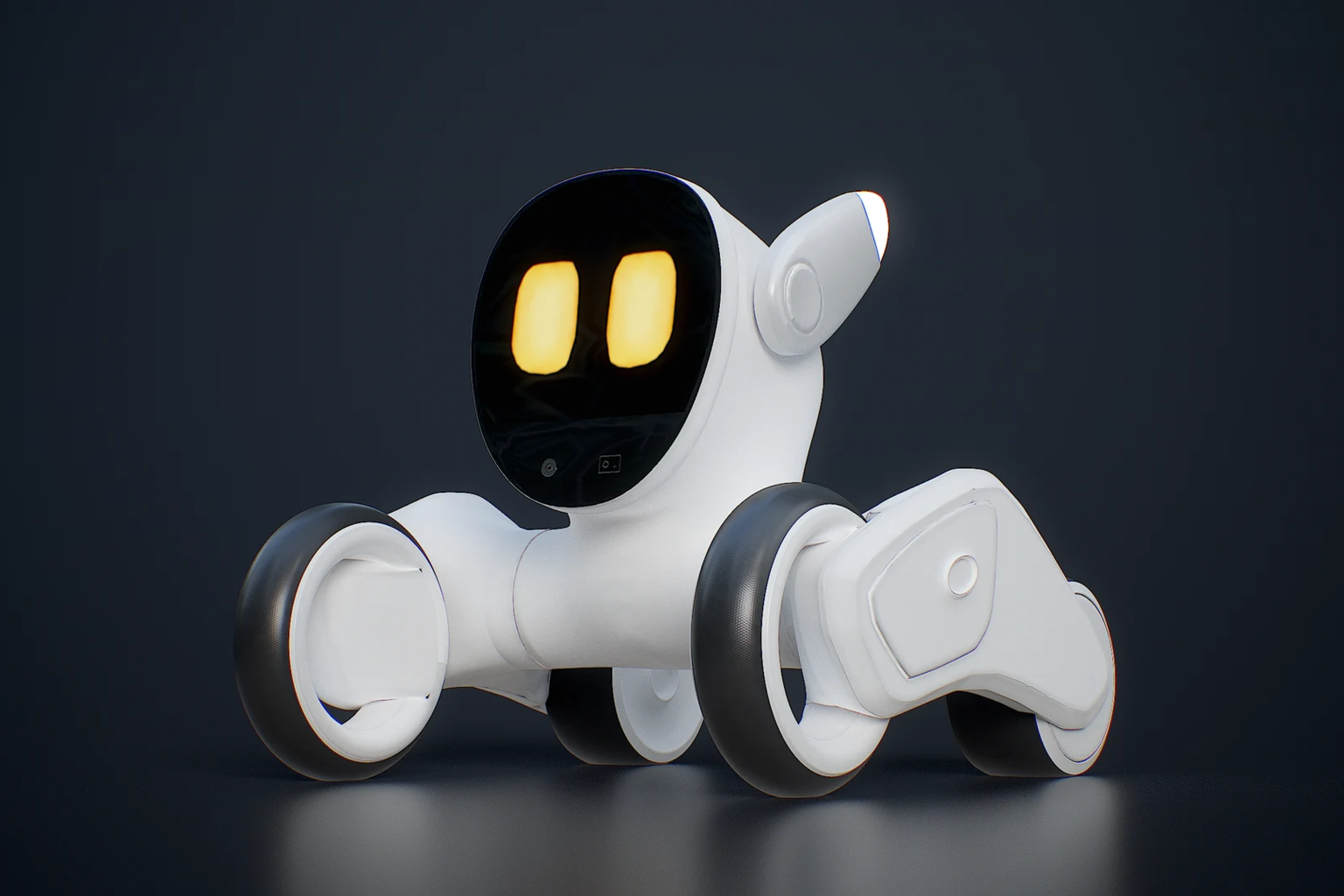
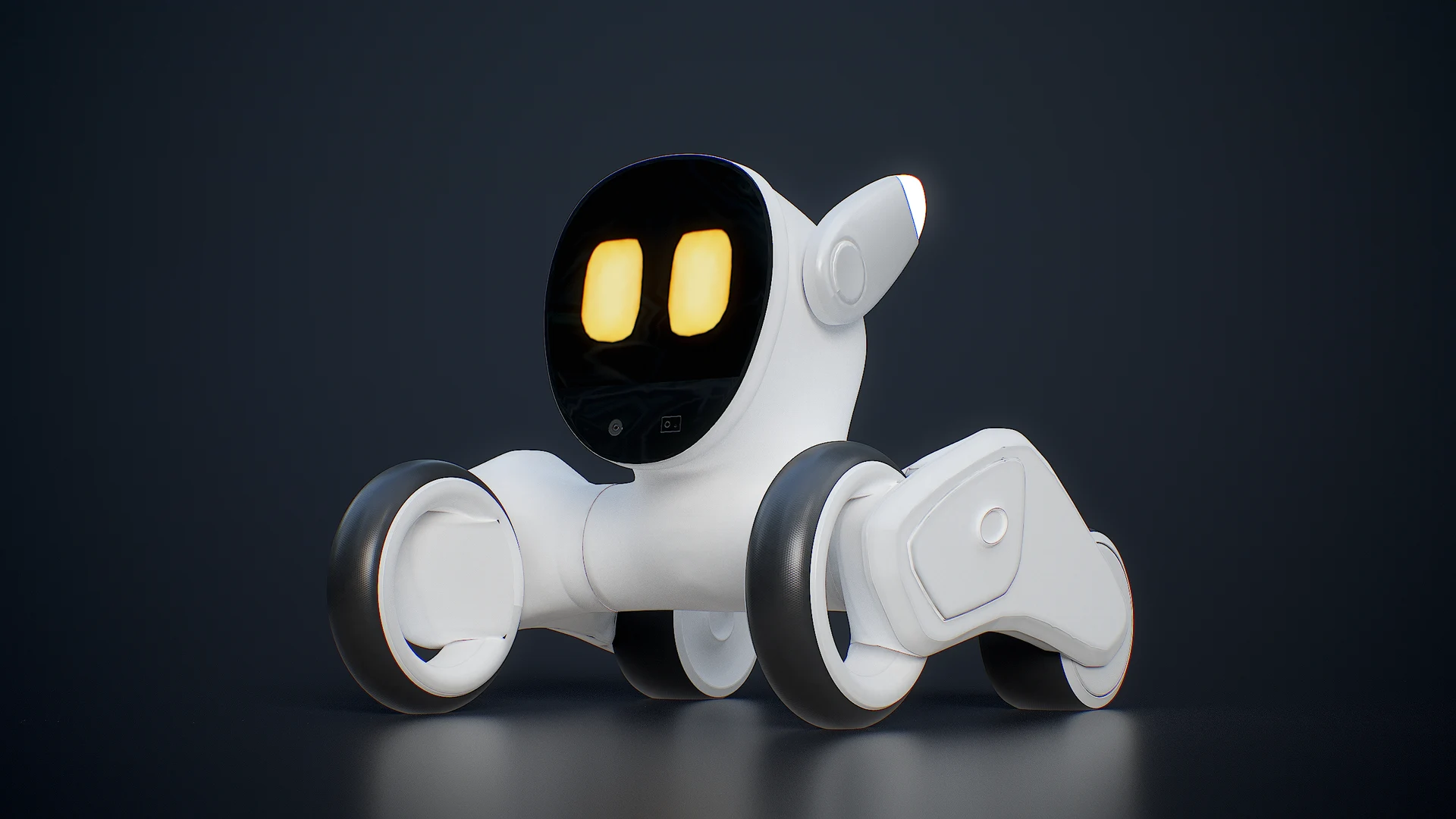
KEYi Loona
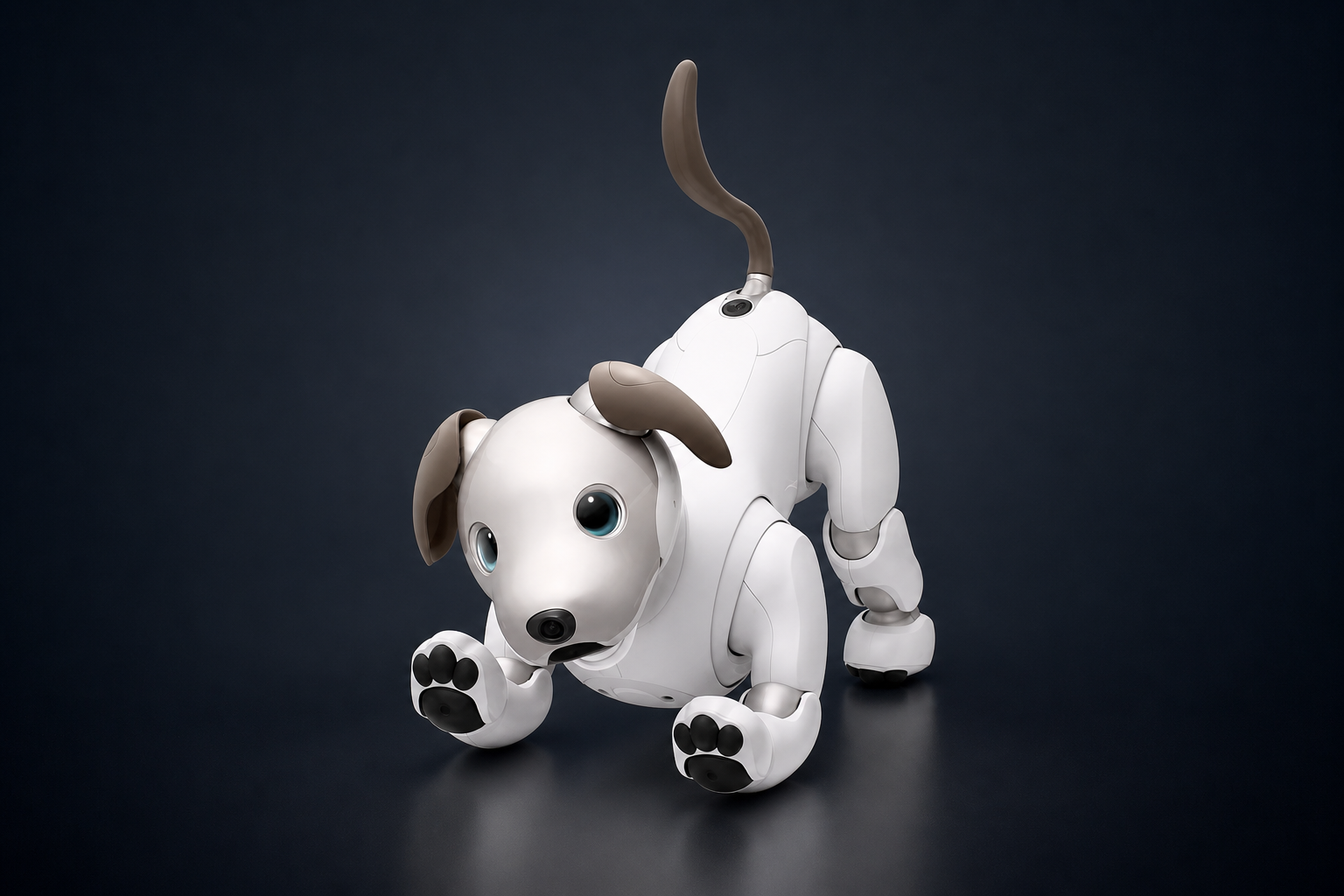
Sony Aibo
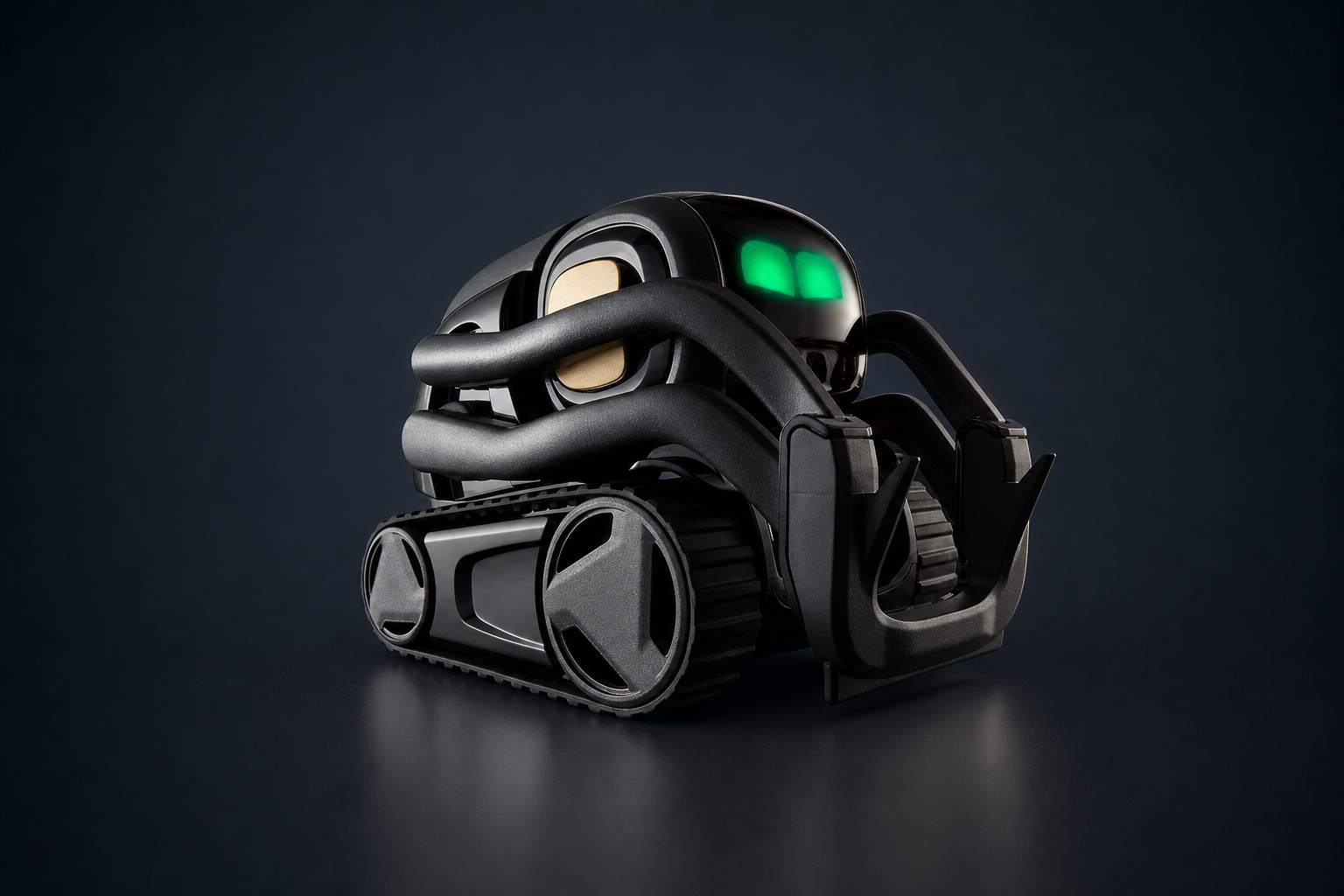
Anki Vector
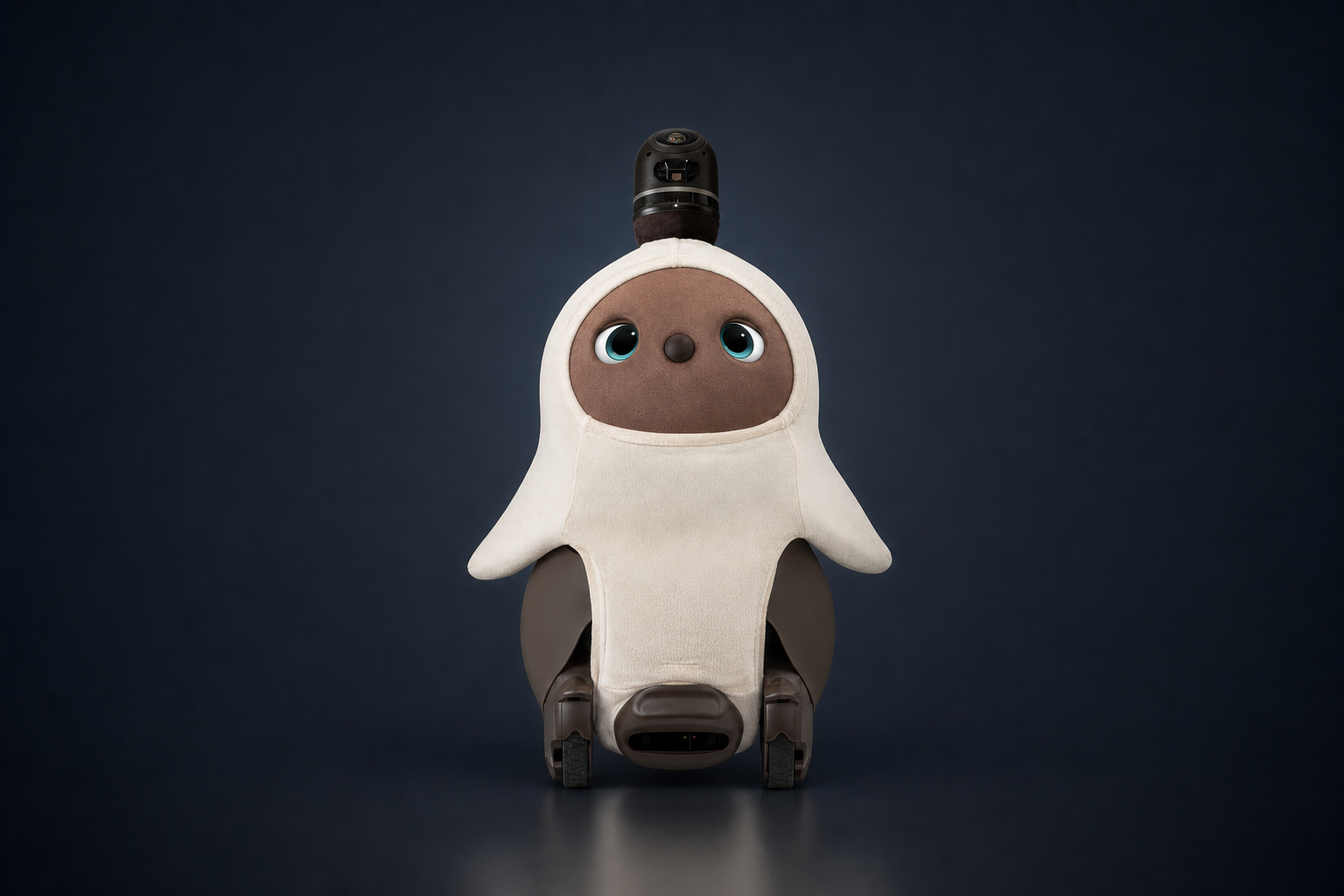
Groove Lovot

AI Earbot, An Auditory Spatial Awareness Module by physical AI and edge computing for Robots
Connect
Contact :
youngkim413@gmail.com
LinkedIn :
youngkim413@gmail.com
Home page :
www.usnktf.com
Head Quarter :
82-10-3809-8681
SV Office :
1-408-315-5152

2026 © US&K Inc. All Rights Reserved

Overview
AI Earbot —
AI-powered Auditory Spatial Awareness for Robots
AI Earbot is a compact, plug-and-play embedded auditory perception module that gives mobile robots human-like hearing without requiring expensive processors or cloud connectivity.
Module Size (W×D×H)
1.8″ × 1.8″ × 0.35″
Power consumption
~ 300mW
Processing
On-Device Edge Computing
Function
Acoustic Event Detection/Absolute Azimuth Direction/Source Distance Recognition
Compatibility
Works with All Robots & Vehicle Platforms
Why Hearing
Hearing Reacts Over 10 Times Faster Than Sight
From the moment that an event occurs to a physical response, auditory perception completes its full loop in about 40–70ms — while visual perception takes 200–240ms.
Hearing
~40ms
0–8ms
8–18ms
18–40ms
Sight
~240ms
0–20ms
20–180ms
180–240ms
R&D
QRAS, QAAS, ASRA, ASENC, AAD and SDR — The World's First Sound Absolute Azimuth Detection(AAD) and Source Distance Recognition(SDR) Technologies.
Conventional cross-correlation algorithms can detect direction but not absolute azimuth direction, and distance between a sound source and the sensor. US&K developed an advanced sound recognition algorithm(ASRA) built on Quadrature Right-Angle Sensing (QRAS) and Quadruple Attitude Acoustic Sensing (QAAS) that recognizes both absolute azimuth direction, distance and sound recognition. Maintaining accurate spatial hearing while the robot is in motion. By combining proprietary Active Structural Ego-Noise Cancellation (ASENC) with an ultra-efficient Edge AI architecture.
96~100%
Direction Accuracy
97%
Sound Recognition
±10%
Distance Calculation Error
Patents
15 Registered Patents Protecting Our Core Technology
4 in the U.S., 2 in China, 1 in India, 8 in Korea — Our core patent was filed 2 years ahead of Waymo(Google), and 95 days ahead of Ford.
US&K
2019.01.28
Ford
+95 days
Waymo
+2 years 1 month
(KR) Sound Source Recognition Method & Apparatus
No. 10-2176xxx
(KR) Vehicle Noise-Shielded External Sound Detection Device
No. 10-2432xxx
(US) Sound Source Visualization Device and Method
No. 11927xxx
(US) Method and Apparatus for Recognizing Sound Source
No. 12015xxx
(CN) Sound Source Recognition Method & Apparatus
No. 13366xxx
(IN) Sound Source Visualization Device and Method
No. 571xxx
Applications
Patrol Robots, Social Robots, Delivery Robots, Drones and Vehicles
Radar and lidar-dependent robots can't perceive collisions outside their line of sight. Equipped with AI Earbot, they detect collision risks in real time and sound the alarm — recognizing ambulances, fire trucks, motorcycles, drones and even helicopters by sound.

Patrol Robots
Streets, Campuses, and Facilities are monitored 24/7.
Social Robots
Companion robots that listen and respond in real time.

Delivery Robots
Supports safer navigation for goods and people in motion.
One of Application markets
AI Companion & Toy Robot Market ($399–$2,900)
AI Earbot brings intelligent hearing to this product category and the broader robotics industry, for safer and more delightful everyday use.
KEYi Loona
Sony Aibo
Anki Vector
Groove Lovot

AI Earbot, An Auditory Spatial Awareness Module by physical AI and edge computing for Robots
Connect
Contact : youngkim413@gmail.com
LinkedIn : youngkim413@gmail.com
Home page : www.usnktf.com
Head Quarter : 82-10-3809-8681
SV Office :
1-408-315-5152

2026 © US&K Inc. All Rights Reserved

Overview
AI Earbot —
AI-powered Auditory Spatial Awareness for Robots
AI Earbot is a compact, plug-and-play embedded auditory perception module that gives mobile robots human-like hearing without requiring expensive processors or cloud connectivity.
Module Size (W×D×H)
1.8″ × 1.8″ × 0.35″
Power consumption
~ 300mW
Processing
On-Device Edge Computing
Function
Acoustic Event Detection/Absolute Azimuth Direction/Source Distance Recognition
Compatibility
Works with All Robots & Vehicle Platforms
Why Hearing
Hearing Reacts Over 10 Times Faster Than Sight
From the moment that an event occurs to a physical response, auditory perception completes its full loop in about 40–70ms — while visual perception takes 200–240ms.
Hearing
0–8ms
8–18ms
18–40ms
~40ms
Sight
0–20ms
20–180ms
180–240ms
~240ms
R&D
QRAS, QAAS, ASRA, ASENC, AAD and SDR — The World's First Sound Absolute Azimuth Detection(AAD) and Source Distance Recognition(SDR) Technologies.
Conventional cross-correlation algorithms can detect direction but not absolute azimuth direction, and distance between a sound source and the sensor. US&K developed an advanced sound recognition algorithm(ASRA) built on Quadrature Right-Angle Sensing (QRAS) and Quadruple Attitude Acoustic Sensing (QAAS) that recognizes both absolute azimuth direction, distance and sound recognition. Maintaining accurate spatial hearing while the robot is in motion. By combining proprietary Active Structural Ego-Noise Cancellation (ASENC) with an ultra-efficient Edge AI architecture.
96~100%
Direction Accuracy
97%
Sound Recognition
±10%
Distance Calculation Error
Patents
15 Registered Patents Protecting Our Core Technology
4 in the U.S., 2 in China, 1 in India, 8 in Korea — Our core patent was filed 2 years ahead of Waymo(Google), and 95 days ahead of Ford.
US&K
2019.01.28
Ford
+95 days
Waymo
+2 years 1 month
(KR) Sound Source Recognition Method & Apparatus
No. 10-2176xxx
(KR) Vehicle Noise-Shielded External Sound Detection Device
No. 10-2432xxx
(US) Sound Source Visualization Device and Method
No. 11927xxx
(US) Method and Apparatus for Recognizing Sound Source
No. 12015xxx
(CN) Sound Source Recognition Method & Apparatus
No. 13366xxx
(IN) Sound Source Visualization Device and Method
No. 571xxx
Applications
Patrol Robots, Social Robots, Delivery Robots, Drones and Vehicles
Radar and lidar-dependent robots can't perceive collisions outside their line of sight. Equipped with AI Earbot, they detect collision risks in real time and sound the alarm — recognizing ambulances, fire trucks, motorcycles, drones and even helicopters by sound.
Patrol Robots
Streets, Campuses, and Facilities are monitored 24/7.
Social Robots
Companion robots that listen and respond in real time.
Delivery Robots
Supports safer navigation for goods and people in motion.
One of Application markets
AI Companion & Toy Robot Market ($399–$2,900)
AI Earbot brings intelligent hearing to this product category and the broader robotics industry, for safer and more delightful everyday use.
KEYi Loona
Sony Aibo
Anki Vector
Groove Lovot
AI Earbot, An Auditory Spatial Awareness Module by physical AI and edge computing for Robots
Connect
Contact :
youngkim413@gmail.com
LinkedIn :
youngkim413@gmail.com
Home page :
www.usnktf.com
Head Quarter :
82-10-3809-8681
SV Office :
1-408-315-5152

2026 © US&K Inc. All Rights Reserved